How Long Do Dental Implants Last?
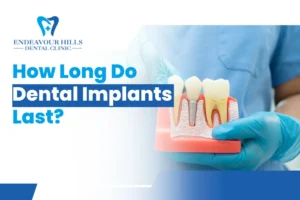
Dental implants are built as a reliable and long-lasting solution to replace missing teeth, providing both functionality and a natural appearance. If you’re considering getting dental implants, it’s important to know how long they typically last, what factors affect their lifespan, and how you can care for them to maximise their durability.
The Average Lifespan of Dental Implants
When it comes to longevity, dental implants can be considered a permanent fix for missing teeth. With the right care, dental implants can remain in place for 20 years or even longer, with many lasting a lifetime. The titanium post used in dental implants, which fuses with the jawbone, is exceptionally strong and resistant to decay. However, the crown on top of the implant may need to be replaced after 10-15 years due to wear and tear.
Studies indicate that with excellent oral hygiene and regular visits to your dentist, then dental implants have a success rate of over 90% even after 30 years, making them a more dependable solution compared to dentures or bridges.
Factors That Affect the Durability of Dental Implants
Several key factors play a role in how long your dental implants will last:
1. Oral Hygiene
Just like natural teeth, dental implants require good oral hygiene to prevent complications. Brushing your teeth at least twice daily, flossing every day, and using mouthwash can help prevent infections such as peri-implantitis, which can cause implant failure. It’s also important to use a soft toothbrush and non-abrasive toothpaste to avoid damaging both the implant and the surrounding gums.
2. Routine Dental Check-ups
Regular check-ups with your dentist (typically every six months) are crucial for monitoring the condition of your implants. Your dentist will ensure the bone around the implant remains healthy, check the stability of the implant, and watch for any signs of problems. If you are around Endeavour Hills, for a trusted Dentist in Endeavour Hills, Endeavour Hills Dental Clinic is your go-to choice. We ensure that your implants are well-maintained and continue functioning optimally.
3. Jawbone Health
The physical health and density of your jawbone are integral to the success of a dental implant. A strong, dense jawbone offers a solid foundation for the implant. If your jawbone is weak or lacks enough mass, your dentist may recommend a bone graft before placing the implant.
4. Lifestyle Choices
- Smoking:
Smoking reduces blood circulation to the gums, which increases the risk of implant failure. Smokers experience a higher rate of implant failure (around 20%) than non-smokers.
- Teeth Grinding (Bruxism):
Grinding your teeth, especially at night, can place undue stress on the implant and surrounding tissues. A night guard may help protect your implants from excessive pressure.
- Diet:
Avoid chewing excessively hard objects, like ice or hard candy, as they damage the implant and crown.
- Alcohol Consumption:
Excessive alcohol can impair healing after surgery and increase the risk of complications, so it’s wise to limit intake while recovering from implant surgery.
5. Surgical Expertise
The skill of your dental surgeon is crucial in determining the success of your implant. At Endeavour Hills Dental Clinic, our experienced team is committed to ensuring that your implant is placed with precision, using advanced techniques and technology for the best results.
Signs That Your Dental Implant May Need Attention
While the success rate of dental implants is very high, there are a few signs that may indicate problems:
- Having pain continuously or discomfort around the implant area
- Swelling or redness in the gums
- The implant or crown loosening
- Difficulty chewing or biting
- Bleeding or discharge around the implant site
If you notice any of these symptoms, don’t hesitate to reach out to your Dentist immediately. Solving problems early on can prevent more serious issues and extend the lifespan of your implants.
Tips to Extend the Lifespan of Your Dental Implants
Here are some practical tips to help your dental implants last longer:
- Ensure practice of regular brushing, flossing, and the use of mouthwash
- Make regular dental check-ups a priority to catch any issues early
- Avoid smoking and limit alcohol consumption
- Consider utilise a mouthguard if you grind your teeth at night
- Stick to a well-balanced diet that supports strong teeth and gums
- Avoid chewing hard items, such as pens, ice, and hard lollies
- Use tools like interdental brushes or water flossers to clean around your implant more effectively
What Happens If a Dental Implant Fails?
While rare, dental implant failure can happen due to issues like infection, poor bone integration, or excessive force. If an implant fails, your dentist may suggest removing it and waiting for the area to heal before considering re-implantation. In some cases, a bone graft may be necessary to strengthen the bone before placing a new implant.
Final Thoughts
Dental implants are a great investment in your oral health and appearance. With good care, implants can last for decades, providing you with a permanent and reliable solution for missing teeth. The key to ensuring their longevity lies in good oral hygiene, regular dental check-ups, and a healthy lifestyle.At Endeavour Hills Dental Clinic, we specialise in high-quality dental implants that are designed to provide you with a long-lasting, natural-looking smile. Our team is here to guide you every step of the way, from initial consultation to post-operative care.