How to Clean Around Dental Implants
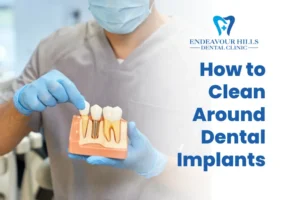
Dental implants should be cleaned just like natural teeth, with daily brushing, cleaning between the teeth and implants, and regular professional check-ups to help prevent infection and protect the surrounding gums and bone.
Many people are surprised to learn that although dental implants cannot get cavities, they can still develop problems if they are not cleaned properly. Plaque and bacteria can build up around implants, leading to inflammation of the gums and, in severe cases, loss of the supporting bone.
The good news is that maintaining dental implants is usually straightforward when the right cleaning habits become part of your daily routine.
Why Cleaning Around Dental Implants Matters
Dental implants are designed to replace missing teeth and function like natural teeth.
While the implant itself cannot decay, the tissues around it remain vulnerable to bacterial infection.
Implants Rely on Healthy Gums and Bone
The long-term success of an implant depends on the health of the surrounding gum tissue and jawbone.
If plaque is allowed to accumulate around the implant, these supporting structures can become damaged.
Plaque Can Build Up Around Implants
Just like natural teeth, plaque develops continuously throughout the day.
Without proper cleaning, this bacterial film can irritate the gums and increase the risk of complications.
What Happens If Dental Implants Are Not Cleaned Properly?
Poor oral hygiene around implants can lead to several problems.
Gum Inflammation
The earliest stage is often inflammation of the soft tissue around the implant.
You may notice:
- Redness
- Swelling
- Tender gums
- Bleeding during brushing
Peri-Implantitis
If inflammation is left untreated, the infection may spread deeper into the supporting bone.
Peri-implantitis is one of the leading causes of implant failure.
Bad Breath
Plaque and bacteria around implants can contribute to persistent bad breath even when brushing regularly.
How Often Should You Clean Dental Implants?
Dental implants should be cleaned every day.
Brush Twice Daily
Regular brushing helps remove plaque before it hardens and becomes more difficult to remove.
Clean Between Teeth Every Day
Many implant-related problems begin in areas that a toothbrush cannot reach.
Cleaning between the teeth and implant restorations is essential.
Continue Regular Dental Visits
Professional examinations help identify potential issues before they become serious.
Choosing the Right Toothbrush
Most patients can successfully maintain implants using a soft-bristled toothbrush.
Soft Bristles Are Usually Best
Soft bristles effectively remove plaque while minimising irritation to the gums.
Electric Toothbrushes Can Be Helpful
Many patients find electric toothbrushes useful because they can improve plaque removal around implant restorations.
Avoid Aggressive Scrubbing
Brushing harder does not clean better.
Excessive force can irritate gum tissue and contribute to gum recession over time.
How to Brush Around Dental Implants
The goal is to remove plaque without damaging the surrounding tissues.
Focus on the Implant-Gum Junction
The area where the implant crown meets the gum line requires particular attention.
This is where plaque commonly accumulates.
Use Gentle Circular Motions
Small circular movements are often more effective than harsh back-and-forth scrubbing.
Clean Every Surface
Remember to clean:
- Front surfaces
- Back surfaces
- Chewing surfaces
- Areas close to the gum line
Why Cleaning Between Implants Is Important
A toothbrush cannot reach every area around an implant.
Plaque Often Accumulates Between Teeth
The spaces between implants and neighbouring teeth can trap food particles and bacteria.
Daily Interdental Cleaning Helps Prevent Problems
Removing plaque from these areas reduces the risk of inflammation and infection.
What Can Be Used to Clean Between Dental Implants?
Several tools may help maintain implant health.
Dental Floss
Floss can remove plaque and debris from areas that are difficult to reach with a toothbrush.
Specialised Implant Floss
Some patients may benefit from floss specifically designed for implant maintenance.
Interdental Brushes
Small interdental brushes are often useful for cleaning around implant restorations.
Accessing Tight Spaces
These brushes can reach areas that standard toothbrushes cannot effectively clean.
Selecting the Correct Size
Using the correct brush size helps improve cleaning while minimising trauma to the gums.
Your dentist can recommend the most appropriate option.
Are Water Flossers Effective for Dental Implants?
Water flossers can be a useful addition to an oral hygiene routine.
Removing Food Particles
A stream of water can help flush debris from around implant restorations.
Supporting Gum Health
Water flossers may help reduce bacterial accumulation when used alongside brushing and interdental cleaning.
Not a Replacement for Brushing
While helpful, water flossers should be used as part of a complete cleaning routine rather than a substitute for brushing.
Signs You May Not Be Cleaning Your Implant Properly
Certain symptoms may indicate plaque build-up around the implant.
Bleeding Gums
Healthy gums should not routinely bleed during cleaning.
Swelling Around the Implant
Inflammation often develops when plaque remains around the implant for extended periods.
Bad Breath
Persistent bad breath can indicate bacterial accumulation.
Tenderness or Discomfort
Pain is not always present, but discomfort around an implant should be assessed.
Pus Around the Implant
Any discharge or signs of infection require prompt dental attention.
How Often Should Dental Implants Be Professionally Cleaned?
Professional maintenance remains an important part of implant care.
Regular Dental Examinations
Routine reviews allow dentists to monitor the health of the implant and surrounding tissues.
Professional Implant Cleaning
Some plaque and deposits may require professional removal using instruments designed for implant restorations.
Monitoring Bone Levels
Regular assessments help ensure the implant remains stable and healthy.
Common Mistakes When Cleaning Dental Implants
Small mistakes can increase the risk of complications over time.
Skipping Interdental Cleaning
Many patients focus on brushing but neglect the areas between teeth.
Assuming Implants Cannot Develop Problems
While implants cannot get cavities, they can still develop infections.
Ignoring Early Symptoms
Bleeding, swelling, and bad breath should not be dismissed as normal.
Missing Dental Check-Ups
Regular reviews often identify problems long before symptoms become obvious.
Can Dental Implants Last a Lifetime?
Many dental implants can last for decades when properly maintained.
Oral Hygiene Plays a Major Role
Consistent daily cleaning is one of the most important factors influencing long-term success.
Professional Maintenance Matters
Routine dental care helps protect the implant and surrounding tissues.
Lifestyle Factors Can Affect Longevity
Smoking, uncontrolled diabetes, and poor oral hygiene may increase the risk of implant complications.
When Should You See a Dentist?
You should arrange an appointment with an experienced implant dentist if you notice:
- Bleeding around an implant
- Swollen or tender gums
- Persistent bad breath
- Pain around the implant
- Pus or discharge
- A loose implant crown
- Changes in how the implant feels when biting
Early treatment often prevents more complex problems from developing.
Final Thoughts
Dental implants should be cleaned every day using proper brushing techniques, interdental cleaning, and regular professional care. Although implants cannot develop tooth decay, the surrounding gums and bone remain vulnerable to infection. Maintaining good oral hygiene and attending routine dental check-ups are the best ways to protect your investment and keep your dental implants healthy for years to come.