Can Acidic Foods Damage Your Tooth Enamel?
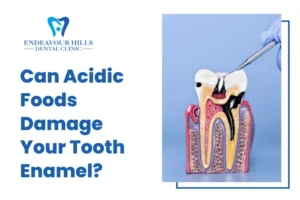
Yes. Frequent exposure to acidic foods and drinks can gradually soften and wear away tooth enamel. This is known as dental erosion.
Enamel does not grow back after it has been lost. Reducing the frequency of acid exposure and changing how acidic products are consumed can help protect the remaining enamel.
How Does Acid Damage Tooth Enamel?
Enamel is the hard outer layer that protects each tooth. Although it is highly mineralised, acids can dissolve some of its minerals and temporarily soften its surface.
Saliva normally helps neutralise the acid and restore some of these minerals. However, the mouth needs time to complete this process. If the teeth are exposed to acid repeatedly throughout the day, the enamel may remain soft for longer and gradually wear away.
The risk depends on more than the amount of acid consumed. How often it reaches the teeth and how long it remains in the mouth are particularly important.
Which Foods and Drinks Are Acidic?
Some acidic foods are nutritious and do not need to be removed completely from the diet. The main concern is repeated or prolonged contact with the teeth.
Common acidic products include:
- Soft drinks, including sugar-free varieties
- Energy and sports drinks
- Fruit juice
- Citrus fruits
- Wine
- Kombucha
- Flavoured sparkling water
- Vinegar and pickled foods
- Sour lollies
- Foods containing citric acid
Sugar-free drinks can still damage enamel because acidity and sugar cause different dental problems. Sugar feeds bacteria that contribute to tooth decay, while acid can act directly on the enamel.
A drink can therefore be free from sugar but still increase the risk of erosion.
Does the Frequency of Acid Exposure Matter?
Yes. Frequent exposure can be more damaging than consuming the same amount in a shorter period.
Sipping an acidic drink over several hours repeatedly lowers the pH in the mouth. The enamel has little time to recover before the next exposure.
Drinking fruit juice with a meal, for example, generally gives the teeth a shorter period of acid exposure than slowly sipping it throughout the afternoon.
Habits that can extend acid contact include:
- Holding a drink in the mouth
- Swishing it around the teeth
- Slowly sucking citrus fruit
- Drinking acidic beverages between meals
- Regularly sucking sour lollies
- Drinking from a bottle over a long period
Limiting acidic products to mealtimes can reduce the number of separate acid attacks during the day.
What Does Enamel Erosion Look and Feel Like?
Early erosion may not cause pain or an obvious visual change. As more enamel is lost, the underlying dentine can become more exposed.
Possible signs include:
- Sensitivity to cold, heat or sweet foods
- Teeth appearing more yellow
- Smooth or shiny areas on the tooth surface
- Rounded tooth edges
- Small dents in the chewing surfaces
- Thin or transparent front edges
- Fillings appearing raised above the surrounding tooth
- Chipping or increased wear
Teeth may look more yellow because dentine has a naturally darker colour than enamel. As the enamel becomes thinner, more of this inner layer shows through.
Sensitivity can develop when the loss of enamel allows temperature changes to reach the dentine more easily.
Is Dental Erosion the Same as Tooth Decay?
No. Both conditions damage teeth, but they develop differently.
Tooth decay occurs when bacteria in plaque use sugars from food and drinks and produce acids on the tooth surface. This can eventually create a cavity.
Dental erosion occurs when acids from food, drinks or the body directly dissolve the tooth surface. Bacteria are not required for erosion to occur.
A person can have erosion without a cavity. The two problems can also occur together, particularly when acidic drinks contain sugar.
Can Acid From the Body Damage Enamel?
Yes. Acidic food and drinks are not the only causes of dental erosion. Stomach acid is highly acidic and can reach the teeth through reflux or vomiting.
Possible causes include:
- Gastro-oesophageal reflux
- Frequent vomiting
- Some eating disorders
- Pregnancy-related vomiting
- Medical conditions that cause recurrent nausea
The pattern of erosion may help the dentist identify whether the acid is likely to come from the diet or the stomach. Damage caused by reflux or vomiting often affects the inner surfaces of the upper teeth, although the pattern varies.
Frequent reflux or vomiting should be discussed with a doctor as well as a dentist. Protecting the teeth is important, but the underlying medical cause also needs attention.
Should You Brush Immediately After Eating Acidic Food?
It is generally better to wait before brushing after a strong acid exposure. The enamel surface may be temporarily softened, and immediate brushing can add mechanical wear.
Rinse your mouth with water and allow saliva time to neutralise the acid. Waiting around 30 minutes before brushing is a practical general guide.
Brushing twice a day with fluoride toothpaste remains important. The aim is to avoid brushing at the point when the enamel is most vulnerable, not to reduce regular cleaning.
After vomiting, rinse with water and avoid brushing immediately. If vomiting occurs regularly, ask your dentist for advice suited to your circumstances.
How Can You Reduce Acid Damage?
You do not necessarily need to stop eating all acidic foods. Changes to timing and eating habits can reduce how long the teeth remain exposed.
Useful steps include:
- Have acidic food and drinks with meals
- Avoid sipping acidic drinks over long periods
- Drink plain water between meals
- Do not hold or swish acidic drinks around the mouth
- Use a straw where practical to reduce contact with the front teeth
- Rinse with water after an acidic drink or meal
- Wait before brushing after strong acid exposure
- Brush twice daily with fluoride toothpaste
- Chew sugar-free gum to stimulate saliva when appropriate
Do not rinse your mouth heavily with water immediately after brushing, as this removes much of the fluoride left by the toothpaste. Spit out the excess toothpaste and follow the advice given by your dentist.
Can Damaged Enamel Be Restored?
Enamel that has already been physically lost cannot grow back. Very early mineral loss may be strengthened by saliva and fluoride, but this is different from replacing missing enamel.
Treatment depends on the amount of damage and whether the teeth are sensitive, weak or visibly changed.
The dentist may recommend:
- Fluoride products
- Toothpaste designed for sensitive teeth
- Dietary changes
- Treatment for teeth grinding
- Composite bonding
- Veneers
- Crowns for extensively damaged teeth
Restorative treatment does not remove the cause of the erosion. Acid exposure needs to be controlled first so that damage does not continue around the new restorations.
When Should You See a Dentist?
Arrange a dental examination with your family dentist if your teeth have become sensitive, appear thinner or more yellow, or show visible wear. You should also seek advice if fillings appear raised or the edges of the teeth are becoming transparent or chipped.
A dentist can determine whether the change is caused by acid erosion, grinding, aggressive brushing or another condition. These problems can produce similar signs but may require different treatment.
Final Answer
Acidic foods and drinks can damage tooth enamel when the teeth are exposed frequently or for long periods. The risk is particularly high when acidic drinks are slowly sipped throughout the day.
Because lost enamel cannot grow back, prevention and early detection are important. Limit the frequency of acid exposure, drink water between meals and avoid brushing immediately after strong acids have contacted the teeth.
More Resources: