How Long Does It Take for Gums to Heal After Treatment
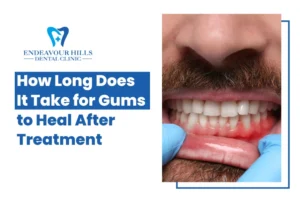
Gums usually take a few days to several weeks to heal after dental treatment because healing depends on how deep the treatment was and how healthy the gums were to begin with. Some procedures cause only short-term irritation, while others involve deeper tissue that naturally needs more time to settle.
Gum tissue heals differently from teeth. It responds quickly once irritation or infection is removed, but it also reacts to pressure, plaque, and everyday habits. This is why two people can have the same treatment and experience very different recovery timelines.
Understanding what normal healing looks like makes it easier to stay calm during recovery and recognise when something isn’t progressing as expected.
After a regular dental clean
For most people, gums feel better within a couple of days after a routine dental cleaning. If there was inflammation beforehand, mild tenderness or bleeding can occur at first, especially when brushing.
Once plaque and tartar are removed, the gums begin to settle almost immediately. Redness reduces, bleeding decreases, and brushing becomes more comfortable. In uncomplicated cases, healing is usually noticeable within 24 to 72 hours.
After deeper gum treatment
Deep cleaning below the gumline places more stress on the tissue, so recovery takes longer. Gums may feel sore, slightly swollen, or sensitive for several days, sometimes longer.
Improvement tends to be gradual rather than sudden. Most people notice steady progress over one to two weeks, with full healing taking several weeks, depending on how much inflammation was present beforehand.
This slower pace is normal and doesn’t mean treatment hasn’t worked.
When a gum infection was involved
If treatment was done to address a gum infection, healing depends heavily on how advanced the condition was. Mild infections often respond quickly once bacteria are removed, with noticeable improvement within one to two weeks.
More established gum disease heals in stages. Symptoms reduce first, followed by gradual stabilisation of the gum tissue. In these cases, recovery is measured over months rather than days, supported by ongoing care rather than a single appointment.
Earlier intervention almost always leads to faster healing.
After a tooth extraction
Following an extraction, the gum begins closing over the site within days, but complete healing takes longer. The initial phase usually lasts one to two weeks, during which tenderness and swelling gradually ease.
Although the surface may look healed fairly quickly, deeper healing continues underneath. This is why dentists often advise caution even after discomfort has settled.
Care during this period plays a major role in how smoothly healing progresses.
Cosmetic gum procedures
Cosmetic gum treatments involve controlled reshaping of tissue, so some soreness is expected. Early healing usually happens within a week, while final contouring and stabilisation can take several weeks.
Swelling and sensitivity tend to peak early and then reduce steadily. Good plaque control during this period helps gums heal evenly and protects the cosmetic result.
Gums and orthodontic treatment
Orthodontic treatment can sometimes irritate gums, particularly when cleaning around brackets or aligners is difficult. This irritation usually settles once oral hygiene improves.
When inflammation is plaque-related, gums often recover within days to a couple of weeks. Orthodontics itself does not prevent healing, but it does require consistent care to keep gums healthy throughout treatment.
What influences healing speed
Healing time isn’t just about the procedure. Smoking, existing gum disease, medical conditions such as diabetes, and inconsistent oral hygiene can all slow recovery.
Gentle, consistent cleaning supports healing far more than aggressive brushing. Over-cleaning irritated gums can delay progress rather than speed it up.
Following aftercare advice closely often makes the biggest difference.
What normal healing feels like
Normal healing feels progressive. Discomfort reduces rather than increases. Bleeding becomes less frequent. Gums gradually return to a healthier colour and feel firmer over time.
Some sensitivity is common, especially during brushing, but it should ease rather than worsen. Healing rarely feels dramatic — it’s usually subtle but steady.
When healing needs checking
If swelling increases, pain worsens, or bleeding continues beyond expected timeframes, it’s worth seeing a dentist. This doesn’t always mean something serious, but it does mean healing may need support.
An experienced dentist can identify lingering inflammation or irritation early and adjust care before it becomes a bigger issue. Guidance from organisations such as the Australian Dental Association consistently encourages follow-up when recovery doesn’t progress as expected.
Long-term gum stability
Once healed, gums still need maintenance. Regular professional cleaning and good daily care prevent inflammation from returning.
Healthy gums support everything else — orthodontics, cosmetic work, restorations, and long-term tooth stability. Healing is not the end point; it’s the foundation.
Final thoughts
Gum healing takes time, and that timeline varies widely depending on the treatment and the condition of the gums beforehand. Quick improvement is common after minor procedures, while deeper treatments require patience and consistency.
What matters most is steady progress. When healing moves in the right direction, gums regain strength, comfort, and stability. If recovery feels stalled or uncomfortable, early dental advice is always the safest next step.
More Useful Resources:
- Why Are My Teeth Sensitive to Cold Drinks and Food?
- What Happens If You Don’t Treat a Dental Cavity?
- What Happens If You Delay Dental Treatment Too Long?
- Tooth Abscess: Major Symptoms, Causes, and Treatment
- Teeth Hurt When Shaking Your Head – Should You Be Concerned?
- Teeth Eruption Chart: When to Expect Baby and Adult Teeth