What Happens If You Stop Wearing Your Retainer?
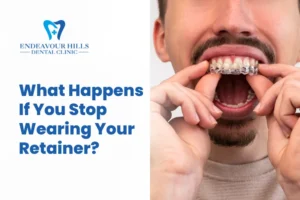
If you stop wearing your retainer, your teeth can gradually move back towards their original positions, causing your orthodontic treatment results to be partially or completely lost. In some cases, noticeable tooth movement can occur within weeks, while in others it may take months or years. Wearing your retainer as instructed by your dentist or orthodontist is essential for maintaining your newly aligned smile.
Many people assume that once braces or clear aligners are removed, their teeth will stay perfectly straight forever. Unfortunately, teeth naturally shift throughout life, which is why retainers play such an important role in long-term orthodontic success.
Why Do You Need a Retainer After Orthodontic Treatment?
After braces or clear aligners straighten your teeth, the surrounding bone, gums, and ligaments need time to stabilise.
Although your teeth may look straight when treatment ends, they are still prone to movement. A retainer helps hold your teeth in their new positions while the supporting tissues adapt.
Without a retainer, natural forces from chewing, speaking, grinding, and ageing can gradually move your teeth.
What Happens When You Stop Wearing Your Retainer?
The effects vary from person to person, but several common changes can occur.
Teeth Begin to Shift
The most common consequence is tooth movement.
Even slight movement can affect the appearance of your smile and the alignment achieved during orthodontic treatment.
You may notice:
- Small gaps appearing
- Crowding returning
- Front teeth overlapping
- Changes in your bite
- Teeth no longer feeling perfectly aligned
In many cases, the lower front teeth are among the first to shift.
Your Retainer May No Longer Fit
If your teeth move enough, your retainer may become tight or impossible to wear.
This is often one of the first signs that relapse is occurring.
Some patients try to force the retainer back into place, but this can damage the retainer or cause discomfort. It is best to visit your dentist or orthodontist for advice.
Orthodontic Relapse Can Occur
Orthodontic relapse refers to teeth moving back towards their original positions after treatment.
The severity of relapse depends on:
- How long you stopped wearing the retainer
- The complexity of your original orthodontic problem
- Your age
- Natural tooth movement patterns
- Whether wisdom teeth or bite issues are involved
Some relapse may be minor, while more significant movement could require additional orthodontic treatment.
Changes to Your Bite
Your bite refers to how your upper and lower teeth come together.
When teeth shift, your bite can also change.
Potential issues include:
- Uneven tooth contact
- Difficulty chewing
- Jaw discomfort
- Increased tooth wear
- Teeth feeling “different” when you bite down
These changes may develop gradually and often go unnoticed at first.
Aesthetic Changes to Your Smile
Many people stop wearing their retainer because their teeth still look straight. However, small changes can accumulate over time.
You may notice:
- Crooked front teeth
- Rotation of individual teeth
- Gaps between teeth
- Loss of smile symmetry
- Reduced confidence in your appearance
For patients who have invested significant time and money into orthodontic treatment, these changes can be disappointing.
How Quickly Do Teeth Move Without a Retainer?
There is no single answer because everyone responds differently.
Within Weeks
Some patients notice minor tooth movement within a few weeks of stopping retainer wear.
This is especially common during the first year after braces or aligner treatment.
Within Months
More noticeable crowding or spacing may develop over several months.
Teeth that were significantly rotated or severely crowded before treatment are often more prone to relapse.
Over Several Years
Even many years after orthodontic treatment, teeth can continue to move naturally.
This is why many orthodontists recommend lifelong retainer use, even if only at night.
Can You Start Wearing Your Retainer Again?
In some situations, yes.
If your teeth have only shifted slightly, your existing retainer may still fit comfortably and help maintain your alignment.
However, if:
- The retainer feels extremely tight
- The retainer no longer fits
- Wearing it causes pain
- Significant tooth movement has occurred
You should book an appointment with your dentist or orthodontist before attempting to wear it.
A dental examination can determine the safest and most effective solution.
What If You Have Lost Your Retainer?
Lost retainers are very common.
The sooner you replace the retainer, the better the chance of maintaining your orthodontic results.
Your dentist or orthodontist may recommend:
A Replacement Retainer
A new retainer can often be made if your teeth have remained relatively stable.
Minor Orthodontic Correction
If some movement has occurred, short-term aligner treatment may help reposition the teeth.
Comprehensive Orthodontic Treatment
In cases of significant relapse, braces or clear aligners may be required again.
How Often Should You Wear Your Retainer?
Every orthodontic case is different.
Many patients are advised to:
- Wear their retainer full-time immediately after treatment
- Transition to night-time wear after a specified period
- Continue wearing the retainer several nights per week long term
Some orthodontists recommend lifelong night-time retainer use because teeth can continue to shift throughout adulthood.
Always follow the instructions provided by your dentist or orthodontist.
How to Protect Your Orthodontic Results
Simple habits can help maintain your straight smile.
Wear Your Retainer Consistently
Following your orthodontist’s instructions is the most effective way to prevent relapse.
Attend Regular Dental Check-Ups
Routine visits to your dentist allow early detection of tooth movement and other oral health issues.
Replace Damaged Retainers Promptly
A cracked, warped, or broken retainer may not hold your teeth properly.
Store Your Retainer Correctly
Always keep your retainer in its protective case when not in use.
This helps prevent damage and accidental loss.
Frequently Asked Questions
Can my teeth move after just one week without a retainer?
Minor movement can occur in some people, particularly during the first year after orthodontic treatment. However, significant changes usually take longer.
Is it normal for my retainer to feel tight?
A slightly tight retainer may indicate minor tooth movement. If the retainer becomes very difficult to insert or causes pain, contact your dentist or orthodontist.
Can I straighten my teeth again without braces?
In some cases, clear aligners may correct mild relapse. Your dentist or orthodontist can advise on the most suitable treatment option.
Do I need to wear my retainer forever?
Many orthodontists recommend lifelong night-time retainer wear because teeth naturally continue to shift over time.
Final Thoughts
If you stop wearing your retainer, your teeth can gradually move out of alignment and compromise the results of your orthodontic treatment. While the amount of movement varies between individuals, relapse can occur sooner than many people realise. The best way to protect your investment in braces or clear aligners is to follow your dentist‘s or orthodontist’s instructions and continue wearing your retainer as recommended. If your retainer no longer fits or has been lost, contact your dental clinic promptly to discuss replacement or treatment options.